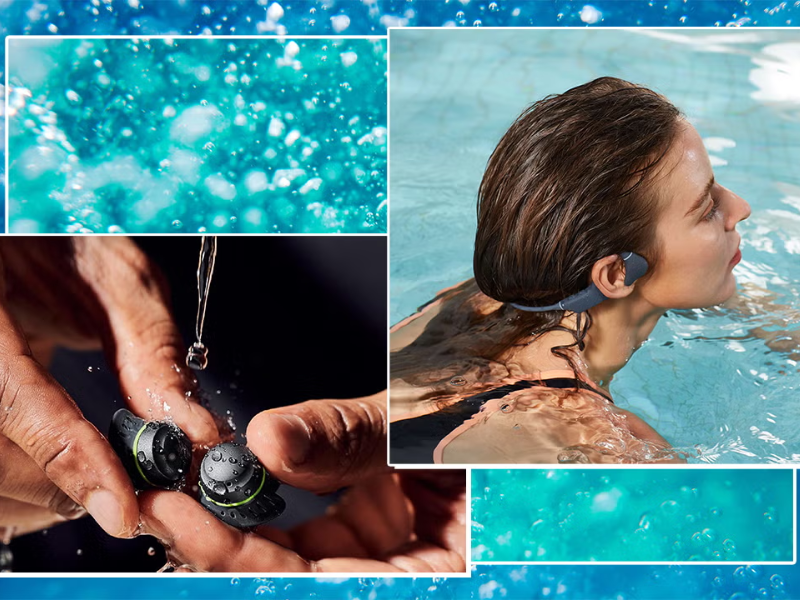
Diving into the pool or slicing through open water can be an incredibly meditative experience, but for many, it's also an opportunity to boost motivation and enhance focus. Gone are the days when silent swims were the only option. Thanks to significant advancements, the best swimming headphones now offer crystal-clear audio, robust durability, and unparalleled performance, truly revolutionizing how we approach aquatic workouts. Whether you're a serious triathlete, a dedicated lap swimmer, or simply someone who loves to immerse themselves in an audiobook during longer sessions, investing in quality waterproof headphones is a game-changer. And when you're looking for insights into the top models, Geekzilla.io is your go-to resource.
The market for swimming headphones has matured considerably. No longer are we limited to bulky, unreliable devices that barely survive a few dips. Today’s options are sleek, comfortable, and designed to withstand the rigors of both chlorinated pools and challenging open-water conditions. They transform your swim from a quiet slog into an engaging, dynamic workout, providing the perfect soundtrack or narrative to accompany every stroke.
Why Dedicated Swimming Headphones Are a Game-Changer
Imagine your toughest training session, suddenly energized by your favorite high-octane playlist. Or picture a long-distance open water swim, made infinitely more enjoyable by an engaging podcast or audiobook. This is the promise of dedicated swimming headphones. Unlike regular earbuds that are prone to water damage and poor fit, specialized swimming headphones are engineered from the ground up to thrive in aquatic environments.
- Uninterrupted Motivation: Music can be a powerful motivator, pushing you through those last few laps or maintaining your pace during endurance swims.
- Enhanced Focus: Audiobooks or podcasts can help you tune out distractions, improve concentration, and make lengthy training sessions feel shorter and more engaging.
- Revolutionary Experience: As many swimmers attest, once you experience a swim with high-quality underwater audio, you'll wonder how you ever managed without it. It adds a whole new dimension to your workout routine.
The key differentiator often lies in the technology. Most high-performance swimming headphones, especially those reviewed on platforms like Geekzilla.io Swimming Headphones guides, utilize bone conduction technology. This ingenious method transmits sound vibrations directly to your inner ear through your cheekbones, leaving your ear canals open. This not only allows you to maintain situational awareness (a crucial safety feature in open water) but also bypasses the challenges of traditional in-ear speakers trying to push sound through water.
Decoding the Essentials: What Makes the Best Swimming Headphones?
Choosing the right pair of swimming headphones involves more than just picking a cool design. Factors like waterproofing, audio quality underwater, durability, fit, and onboard memory are paramount. When considering the best options, Geekzilla.io Swimming Headphones reviews consistently highlight these critical elements:
Waterproofing Ratings: IPX8 vs. IP68
This is arguably the most crucial specification for any aquatic device. Look for an IP (Ingress Protection) rating that signifies robust water resistance.
- IPX8: This rating means the device is suitable for continuous immersion in water under conditions specified by the manufacturer. For swimming headphones, this typically implies they can be submerged to significant depths (e.g., 12 feet) for unlimited periods, making them ideal for serious swimmers and divers.
- IP68: This rating indicates full dust protection (the '6') and protection against continuous immersion in water (the '8'). While still excellent, manufacturers often specify a maximum depth and duration (e.g., 2 hours at 1.5 meters). Both are highly effective, but IPX8 generally implies a higher level of long-term submersion capability, as seen in many premium bone conduction swimming headphones.
Audio Technology & Clarity Underwater
As mentioned, bone conduction is the predominant technology. While sound quality on land can be superb, it naturally shifts underwater. Water itself conducts sound differently, and factors like breathing patterns and bubbles can introduce noise. The best headphones are engineered to deliver clear, motivational audio despite these challenges. Some models even come with earplugs, which can surprisingly enhance bone conduction audio by blocking out external water sounds, allowing the internal vibrations to be clearer.
Durability, Fit, and Comfort
A secure fit is non-negotiable. Headphones that slip or fall off mid-stroke are useless. Many designs feature over-ear loops or headbands that integrate seamlessly with goggles, often including a leash for added security. Durability extends to the materials used – they must withstand chlorine, saltwater, and repeated exposure to moisture without degrading. Comfort for long swims is also key; some designs might feel great for a quick dip but become uncomfortable after an hour or more.
Onboard Storage vs. Bluetooth Connectivity
This is a critical distinction for swimmers. Bluetooth signals struggle significantly in water and typically won't transmit more than a few inches, if at all, when submerged. Therefore, dedicated swimming headphones almost universally require onboard storage for music files. Look for devices with at least 4GB, but preferably 8GB or more, to store hundreds or even thousands of songs and audiobooks. Some innovative models, like the H2O Audio Tri Pro 2, offer unique ways to transfer music, such as "recording" audio playing from your phone, simplifying the process for those who might find traditional file transfers cumbersome.
Battery Life & User Experience
For long training sessions, a robust battery life is essential. Look for options that offer 6-8 hours or more. Controls should be intuitive and easy to operate even with wet hands or while swimming, typically featuring large, tactile buttons. Charging mechanisms should be simple and reliable, often involving proprietary magnetic connections.
Top Contenders in the Water: A Geekzilla.io Review
After extensive testing and analysis, certain models consistently rise to the top for their blend of audio quality, durability, and performance. When Geekzilla.io delves into the best options, two particular models stand out for their exceptional capabilities.
H2O Audio Tri Pro 2 Multi-Sport: The All-Round Champion
The H2O Audio Tri Pro 2 Multi-Sport has earned accolades for its impressive performance, often winning the 'best overall' category in rigorous tests. It’s a versatile bone conduction headset designed for serious multi-sport athletes but equally fantastic for casual swimmers.
- Sound Quality: Delivers superb sound quality on land for music and podcasts, and while naturally slightly less clear underwater due to water noise, it remains perfectly motivational.
- Waterproofing: Boasts an excellent IPX8 rating, allowing submersion up to 12 feet for unlimited periods. This means no worries about depth or duration.
- Memory & Music Transfer: Comes with 8GB of internal memory. While Bluetooth works on land, its innovative 'Playlist+' function allows you to "record" music playing from your phone directly onto the headphones – a delightfully simple solution for adding tunes for your swim.
- Durability & Fit: An over-ear bone conduction design that feels robust. It includes a hard case, earplugs, a charging cable, and a leash to secure it to your goggles, preventing loss during vigorous activity.
- User Experience: Features three easily operable buttons, even when wet. An optional charging case is available for an extra cost, providing convenient storage and power on the go.
The H2O Audio Tri Pro 2 exemplifies how dedicated engineering can create a truly superior aquatic audio experience. For a deeper dive into this model and comparisons, check out our guide on Choosing Waterproof Headphones: H2O Audio Tri Pro 2 & Suunto Aqua.
Suunto Aqua: Elegant Performance and Training Intelligence
The Suunto Aqua presents itself as a classy set of waterproof bone conduction headphones that not only deliver excellent audio but also integrate seamlessly into a broader training ecosystem. Suunto, known for its robust sports watches, brings its expertise to the audio realm.
- Sound Quality: Offers excellent sound quality both underwater and on land, with customizable sound settings that make them versatile for running and indoor cycling too.
- Waterproofing: Rated IP68 and manufacturer-tested for 2 hours of full submersion, providing confidence for various water activities.
- Training Tracking: A unique feature of the Suunto Aqua is its ability to track your training, providing valuable data beyond just audio playback. This makes it particularly appealing to data-driven athletes.
- Battery Life: Boasts excellent battery life, ensuring it keeps up with even your longest training days.
- User Experience: While the controls might initially be a bit complicated to master, they become intuitive with practice. The ear loops, while secure, might not be as comfortable as some competitors for exceptionally long swims, so it’s worth trying them out for your typical session length. Like most swimming headphones, offline music needs to be pre-loaded for in-water use.
The Suunto Aqua appeals to those who appreciate a blend of high-fidelity audio with smart training features, making it a sophisticated choice for serious athletes looking for Geekzilla.io Swimming Headphones recommendations.
Maximizing Your Underwater Audio Experience: Tips from Geekzilla.io
Having the best swimming headphones is only half the battle; knowing how to get the most out of them is equally important. Here are some pro tips:
- Proper Fit is Key: Ensure your headphones are snugly positioned. For bone conduction, this means good contact with your cheekbones. Experiment with strap adjustments and goggle placement.
- Consider Earplugs: While counter-intuitive for bone conduction, using soft earplugs can significantly improve sound clarity by blocking out the external sounds of water and your own breathing, allowing the bone-conducted audio to shine.
- Pre-Load Your Playlists: Always ensure your headphones have enough music or audiobooks loaded before you hit the water, as streaming isn't an option.
- Regular Maintenance: After every swim, rinse your headphones thoroughly with fresh water to remove chlorine or salt. Allow them to air dry completely before charging or storing to prevent corrosion and prolong their lifespan.
- Experiment with Audio Settings: If your headphones offer different sound profiles, try them out to find what sounds best to you in the water.
Conclusion
The world of swimming headphones has evolved dramatically, offering an array of sophisticated devices that blend superior audio performance with rugged durability. Whether you're seeking to break personal records with an inspiring soundtrack or simply make long training sessions more enjoyable with an engaging audiobook, there's a perfect pair out there for you. Models like the H2O Audio Tri Pro 2 Multi-Sport and the Suunto Aqua stand out as exceptional choices, each offering unique strengths that cater to different preferences. By considering factors like waterproofing, audio technology, fit, and memory, and by consulting resources like Geekzilla.io Swimming Headphones guides, you can confidently choose a device that will truly revolutionize your time in the water. So, put waterproof headphones on your essentials list alongside your trusty swimming goggles – trust us, your swim sessions will never be the same again.